Resetting After Bad Days: A Small Change for Morning Routines
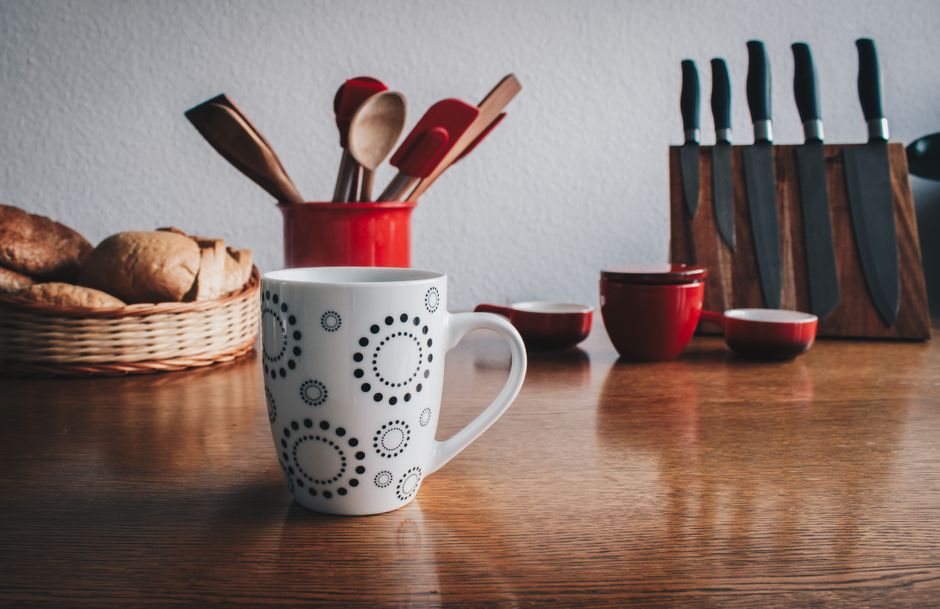
As the morning light creeps through the kitchen window, the coffee pot gurgles to life, filling the air with a familiar warmth. The kitchen counter is cluttered with yesterday’s reminders: a half-eaten lunchbox, a stray shoe, and the ever-present umbrella that never quite makes it to the door. The phone buzzes on the counter, a notification pulling attention away from the simple task of pouring coffee into a mug. It’s a small moment, but the distraction can easily derail the morning routine, setting the tone for the day ahead.
In the midst of gathering keys and checking for the kids’ backpacks, it’s easy to overlook the small adjustments that could make a difference later. Placing the coffee mug next to the front door, for instance, could serve as a visual cue to grab it on the way out, ensuring that the morning doesn’t slip into chaos. The missed opportunity to reset after a long day often begins with these overlooked details, where a simple shift in placement or timing can transform a rushed exit into a more manageable start.
The Morning Routine That Starts to Slip
The kitchen counter is cluttered with remnants of yesterday: a coffee mug half-filled with cold brew, a phone buzzing with notifications, and the ever-present umbrella leaning against the wall. As the clock ticks closer to the school run, the parent juggles breakfast prep and a quick check of the phone, eyes darting between the sizzling pan and the screen. The notifications are relentless, pulling focus away from the simple task of pouring fresh coffee. Each buzz feels like a small derailment, a reminder that the morning routine is already slipping.
In these frantic moments, it’s easy to overlook the small adjustments that could streamline the routine. Placing the coffee mug directly next to the front door becomes a missed opportunity; instead, it sits forgotten on the counter, far from where it’s needed. As the parent gathers keys and checks for backpacks, the umbrella remains in its usual spot, never quite making it to the door, a symbol of the chaotic morning. This small habit of not moving essential items to visible places can lead to a rushed exit, where the focus shifts from preparing for the day to scrambling to remember what’s been forgotten.
With each passing minute, the urgency builds. The parent realizes that a simple shift—like setting the phone alarm across the room—could force a moment of pause, a chance to reset before the day begins. Instead of being drawn into the digital noise, that distance might create space for clarity. As breakfast comes together, the visual cues need to be intentional, ensuring that nothing essential is left behind. The morning routine, once a well-oiled machine, now feels like a series of missed checks, each one compounding the stress of the day ahead.
The First Notification That Disrupts Focus
The kitchen counter is cluttered with the remnants of breakfast: a coffee mug half-full, a forgotten water glass, and the ever-present phone. Just as the parent reaches for the water glass, a notification pings loudly from the phone, pulling attention away from the morning routine. It’s a fleeting moment that feels insignificant but quickly spirals into a missed check. Instead of filling the glass, the parent glances at the screen, drawn into a brief scroll that seems harmless but eats away precious time.
With the water glass still empty, the parent rushes through the remaining tasks, grabbing keys and double-checking backpacks. The chaos builds as the clock ticks closer to departure. The phone notification has derailed the sequence, turning a once structured morning into a scramble. The water glass, now a forgotten detail, symbolizes the small but critical steps that can easily slip through the cracks. This moment highlights how even a single distraction can ripple through the routine, leaving the parent feeling unprepared before stepping out the door.
Why Rushing Leads to Missed Steps
A slightly different version of this problem appears in Everyday Life In The, where the sequence changes but the hidden drag feels familiar.
The pressure to leave on time can create a cascade of forgotten tasks. In the chaos of a busy morning, the parent stands in the kitchen, coffee mug in hand, eyeing the clock as it ticks closer to departure. As the phone buzzes with a notification, the instinct to check it pulls attention away from the water glass waiting to be filled. This small lapse, a mere moment of distraction, can lead to larger frustrations later in the day.
- Set the alarm across the room to avoid last-minute scrolling.
- Place the water glass next to the coffee maker to remind you to hydrate.
- Keep keys in a designated spot on the entry table to ensure they’re not forgotten.
By the time the parent remembers the water glass, it’s too late; the routine is already derailed. The rushed sequence leads to a hurried grab of backpacks and keys, leaving the house feeling unprepared. This highlights how good intentions alone are not enough when small, hidden steps slip through the cracks, turning a structured morning into a scramble.
A Simple Adjustment: Alarm Placement
If this pattern keeps repeating, Daily Routines Real Life extends the idea without leaving the niche.
Setting the alarm across the room can transform the start of a busy morning. When the alarm buzzes, it forces you to physically get out of bed to turn it off, breaking the cycle of hitting snooze and lingering in bed. This simple action not only wakes you up but also sets the tone for a more intentional morning routine, reducing the likelihood of distractions like phone notifications that can easily derail your plans.
As you step out of bed, the first thing you see is the water glass placed next to the coffee maker. This visual cue reminds you to hydrate before diving into the chaos of breakfast and packing bags. With the coffee brewing and the water glass in sight, you can fill it while waiting for the coffee to finish. This small sequence shift—filling the glass while the coffee brews—creates a smoother flow, allowing you to check off two important tasks without extra hidden steps. However, if the alarm is too close, the temptation to stay in bed increases, often leading to a rushed exit where essentials like keys or lunch are forgotten.
By changing the alarm's location, you not only wake up but also engage with your morning routine more mindfully. This adjustment highlights how a small change in sequence can lead to a more organized departure, setting a positive tone for the day ahead.
How the Adjustment Shapes the Day Ahead
After moving the umbrella closer to the door, the morning routine feels less frantic. Instead of rummaging through the hallway drop zone for the umbrella while juggling bags and a coffee mug, it’s now just a quick grab before heading out. This small shift in placement eliminates a common last-minute scramble, allowing for a more controlled exit.
As the coffee brews, the parent can now take a moment to check the weather on their phone, ensuring the right layers are worn. This simple act of checking the forecast, combined with the visual cue of the umbrella, creates a sense of preparedness. The phone notification that once disrupted the flow now serves as a reminder to stay focused on the tasks at hand rather than getting sidetracked by incoming messages.
By the time the family is ready to leave, there’s a noticeable difference in energy. The parent feels less rushed, which translates into a calmer atmosphere for the kids as they gather their things. This smoother start helps set a more positive tone for the day, making it easier to transition into the evening routine later. The focus shifts from simply surviving the morning to actually enjoying those last moments together before school drop-off.
As the morning unfolds, the parent can take a moment to ensure that the coffee mug is always placed in the same spot on the kitchen counter, right next to the keys. This small adjustment allows for a quick grab-and-go, reducing the chances of chaos. The visual cue of the mug, alongside the neatly arranged keys, serves as a reminder to stay on track despite the previous day's challenges. Each item has its designated place, creating an effortless flow that minimizes the friction of a rushed departure.
Before heading out, a quick glance at the entry table confirms that the umbrella is still there, ready for unexpected weather. This small check not only prevents a last-minute scramble but also reinforces a sense of readiness. By consistently placing the umbrella near the door, the parent builds a habit that supports smoother transitions. As they step outside, the lingering energy from this organized start sets the tone for the day, making it easier to reset after challenging days.