What Morning Routine Looks Like on an Ordinary Day

As the early morning light filters through the bedroom window, the phone buzzes on the bedside table, a notification breaking the stillness. You reach for it, half-awake, and glance at the screen. A reminder for an important meeting, but instead of feeling prepared, a sense of dread washes over you. Last night’s chaos still lingers in your mind, and the lunch container you forgot to pack sits in the sink, a reminder of yesterday’s missteps. You shake your head, trying to clear the fog as you slip out of bed, knowing you need to reset your day before it even begins.
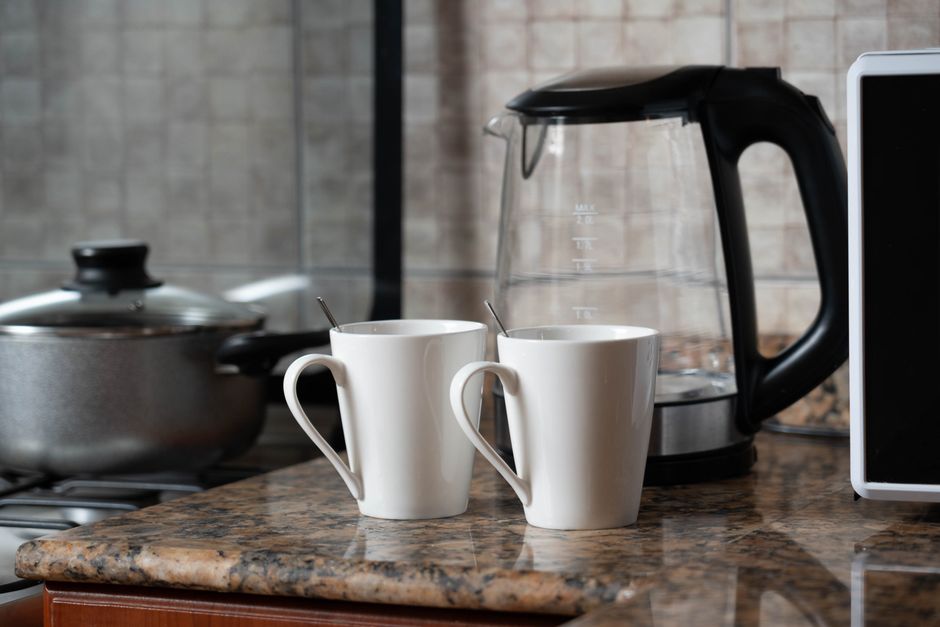
Standing at the kitchen counter, you pour coffee into your favorite mug, but the routine feels off-kilter. The clothes you laid out the night before are still on the dresser, untouched, and the water glass you meant to fill sits empty. Each small task seems to pile up, creating friction in your morning. A simple adjustment, like placing the water glass in front of the coffee maker, could streamline your process and help you focus on the essentials. By rearranging these small actions, you might find a clearer path to reset after a bad day, even before you step out the door.
The First Step That Gets Skipped
The kitchen counter is cluttered, the remnants of yesterday’s rush still visible. A coffee mug sits half-filled, steam rising, while your phone buzzes with notifications that demand attention. You glance at the screen, feeling the weight of yesterday’s chaos pressing down as you prepare for another busy workday. It’s early morning, and the clock is ticking, but the routine feels disjointed. You realize that you’ve overlooked one crucial step: laying out your clothes the night before.
As you pour coffee, the half-empty lunch container in the sink reminds you of the tasks left undone. You rush to grab your keys, but the clothes you intended to wear are still crumpled on the dresser. If you had placed them in a visible spot, perhaps right by the coffee maker, you would have seen them and avoided this scramble. This small adjustment could have streamlined your morning, allowing you to focus on the essentials instead of feeling overwhelmed by the day ahead. Instead, you find yourself juggling multiple tasks, each one pulling your attention away from the reset you desperately need.
Where the Routine Begins to Slip
The moment the alarm goes off, your phone buzzes with a notification, drawing your gaze away from the tasks at hand. You’re already feeling the weight of yesterday’s unfinished business, and this distraction pulls you deeper into the chaos. As you pour your coffee, the sight of the lunch container still sitting in the sink serves as a reminder of what you didn’t get to the night before. Instead of focusing on your morning reset, you’re now scrambling to figure out how to fit in one more task before heading out.
- Check the phone notifications after pouring your coffee, which can lead to an unexpected delay.
- Notice the lunch container in the sink, prompting a last-minute rush to clean it.
- Consider laying out your clothes the night before to avoid a morning scramble.
By the time you finally grab your keys, you realize you’ve skipped the crucial step of checking where your clothes are laid out. If they had been placed next to the coffee maker, you would have seen them immediately, streamlining your exit. Instead, you’re left with a disjointed morning routine, where each small missed check adds to the feeling of being unprepared.
If this pattern keeps repeating, Daily Routines Real Life extends the idea without leaving the niche.
Understanding the Friction in Your Routine
As you stand at the kitchen counter, the coffee maker gurgles softly in the background, yet your mind drifts to the pile of clothes still crumpled on the dresser. This small oversight—a hidden step in your evening routine—can create a ripple effect that disrupts your morning completely. When you skip laying out your clothes the night before, you introduce an unnecessary decision point into your already busy morning.
Checking your phone while waiting for the coffee to brew often leads to distractions that can derail your focus. A notification buzzes, pulling your attention away just as you’re about to pour your first cup. This moment of distraction can extend beyond the coffee; suddenly, you’re scrolling through messages instead of preparing for the day ahead. Each minute lost compounds the pressure, making you feel rushed and unprepared.
To mitigate this friction, consider placing your laid-out clothes directly next to the coffee maker. This way, when you pour your coffee, you can’t miss seeing what you’ll wear. It transforms your morning from a chaotic scramble into a streamlined sequence of tasks. However, if you forget this simple step, you might find yourself in a last-minute panic, scrambling to locate what you need. That cumulative effect of missed checks and hidden steps can leave you feeling more disorganized than when you started, reinforcing the need for a clearer structure in your morning routine.
A Better Order for the Same Five Minutes
In the early morning light, the dresser sits cluttered with last night’s clothes and a buzzing phone. The phone, always within reach, often steals attention just as you’re ready to start your day. Instead of focusing on the tasks at hand, you find yourself scrolling through notifications, which can easily lead to a frantic rush to leave the house. This distraction not only disrupts the flow but also leaves you feeling unprepared as you grab your keys and head out the door.
Now, imagine laying out your clothes the night before, placing them prominently on the dresser next to your coffee mug. This simple adjustment creates a visible cue that you can’t overlook when you pour your first cup. Additionally, moving your phone to another room helps eliminate the temptation to check messages while you’re trying to reset. With your clothes ready and your phone out of sight, you can focus on a smooth sequence: first, pour the coffee, then dress, and finally, pack your lunch container that’s waiting in the sink. This slight shift in order transforms those five minutes into a more manageable routine, reducing the chaos that often follows a bad day.
How This Adjustment Affects the Next Part of the Day
A slightly different version of this problem appears in Everyday Life In The, where the sequence changes but the hidden drag feels familiar.
With clothes laid out the night before, the morning feels less chaotic. Instead of rummaging through the closet in a rush, you can simply grab what you need from the dresser. This small change creates a sense of organization that carries through to breakfast. As you pour your coffee, the sight of your neatly arranged outfit serves as a reminder that you’re set for the day, reducing the mental clutter that often follows a bad day.
A calm breakfast routine becomes possible when you’re not scrambling to find your shirt or shoes. Instead of hastily eating a piece of toast while scrolling through your phone, you can sit down with your coffee, enjoying the quiet moment. This shift allows you to mentally prepare for the workday ahead, leading to a more focused start once you arrive at your desk. The simple act of checking your lunch container in the sink before you leave, knowing it’s packed and ready, reinforces this newfound clarity.
By moving through these tasks in a deliberate sequence—clothes first, then breakfast, and finally packing your lunch—you create a smoother transition into the day. The absence of frantic last-minute searches or phone distractions means you step out the door feeling more composed. This adjustment not only sets a positive tone for the morning but also helps you navigate the challenges of the day with greater ease.
After a tough day, the reset can feel daunting, especially when mornings are rushed. By placing your clothes on the dresser the night before, you eliminate the scramble of finding what to wear in the morning. This small adjustment allows you to start your day with intention, rather than reacting to the chaos around you.
As you move through your morning routine, check that your lunch container is out of the sink and ready to go. A quick glance at it can serve as a mental reminder that you’ve prepared for the day ahead. This simple action reinforces a sense of control, making the process of resetting after bad days a little more manageable. Next time you wake up, remember to lay out those clothes first, and notice how it shifts your mindset as you prepare to step out the door.