Where Resetting After Bad Days Usually Breaks in Real Life
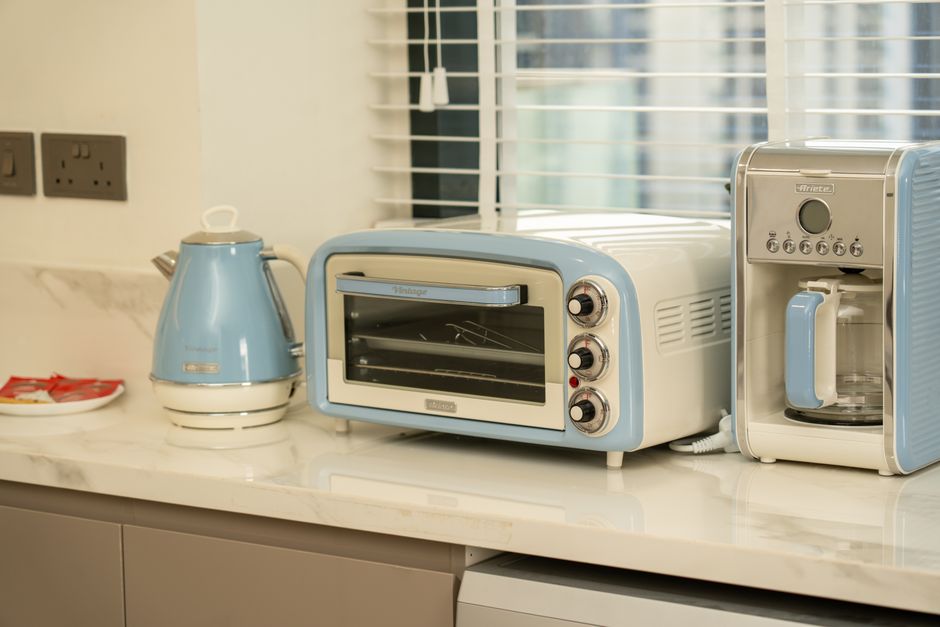
As I stand in the kitchen early on a Wednesday morning, the coffee pot gurgles softly, filling the air with a rich aroma. My phone buzzes on the counter, a reminder of the day ahead, but I can’t help but feel the weight of yesterday’s frustrations still lingering. I set out my breakfast items—a coffee mug, a water glass, and a couple of granola bars—arranging them on the counter where I can see them. This small act is part of my routine to reset after a tough day, but even this simple setup can be disrupted by the chaos of life.
Just as I reach for my keys, another notification chimes from my phone, pulling my attention away. The planner remains closed on the table, a silent witness to my missed opportunity to outline today’s priorities. I glance at the hallway drop zone, where my bag sits half-packed, a reminder of the small adjustments I often overlook. These friction points—like the phone buzzing or the planner gathering dust—can derail my efforts to reset, making the process feel more complicated than it should be.
The Morning Routine in Motion
As I step into the kitchen, the clutter on the counter greets me: a half-empty coffee mug and a water glass, remnants of yesterday’s rush. I know I need to set out my breakfast items to initiate my reset, so I grab a slice of toast and a banana, placing them deliberately next to the mug. This small act is meant to signal a fresh start, but it’s easy to overlook the importance of these rituals when life gets hectic.
Just as I’m about to pour my coffee, I catch a glimpse of my planner lying closed on the table. It’s a reminder of how I often skip the crucial step of outlining my day ahead. I make a mental note to open it later, but I can already feel the weight of yesterday’s frustrations creeping back in. I take a deep breath and focus on my immediate surroundings, trying to anchor myself in the present.
While I’m moving through this small routine, my phone buzzes with a notification, pulling my attention away from the moment. It’s a text from a friend, but I resist the urge to check it right away. Instead, I decide to prioritize my breakfast setup. I place the toast on a plate and set the banana beside it, making sure everything is visible and ready for when I sit down. This simple arrangement helps me remember to take a moment for myself before diving into the day.
As I gather my keys and head for the door, I glance back at the hallway drop zone. My bag is still half-packed from last night, a visual cue that I need to make a habit of preparing it fully during my evening routine. Each of these friction points—like the unopened planner and the buzzing phone—reminds me how easily my reset can be disrupted. I leave the kitchen, knowing I’ve taken some small steps, yet aware that the day’s challenges are still looming ahead.
The First Disruption: A Notification
As I stand at the kitchen counter, the early morning light filters through the window, illuminating the chaos of my half-packed bag. I’ve set out my coffee mug and a glass of water, but my phone buzzes, pulling my focus away. It’s a notification from a group chat, and the temptation to check it is strong. I can feel the pull of the screen, the urge to engage, but I remind myself that I need to prioritize my breakfast setup first.
With a quick glance at the closed planner on the table, I realize I’ve skipped a crucial step in my evening routine: reviewing my schedule for the day. That planner, which usually helps ground my morning, remains unopened, a silent reminder of my chaotic night. Instead of checking my phone, I decide to place a banana next to my toast on the plate, ensuring I have a quick, healthy option ready for when I finally sit down. This small act of preparation feels like a tiny victory, yet the notification still lingers in my mind, a distraction that could derail my reset.
As I gather my keys and head toward the door, I can’t shake the feeling that I’ve missed an opportunity to center myself. The half-packed bag sits in the hallway drop zone, a visual cue of my disorganization. Each of these friction points, from the buzzing phone to the neglected planner, highlights how easily my reset can slip away. I leave the kitchen knowing I’ve made some progress, but the day’s challenges feel heavier, waiting just outside the door.
Why Distractions Derail Resetting
In the early morning, as I stand at the kitchen counter, I can feel the weight of yesterday's chaos still lingering. A quick glance at my phone reveals a notification that pulls my attention away from my breakfast setup. I had planned to set out my coffee mug and a water glass next to the stove, making it easier to grab them before heading out. Instead, I find myself scrolling through messages, losing track of time and the small routine I had hoped would anchor my day.
This distraction creates a ripple effect; the coffee mug remains untouched, and the water glass sits empty, waiting for my attention. As I finally place the banana next to the toast, I realize that I’ve skipped a crucial step: checking my planner. It’s still closed on the table, a missed opportunity to visualize my day ahead. Each moment spent on my phone chips away at the mental energy needed to maintain focus on these small tasks. My good intentions evaporate, leaving me with a sense of disorganization that feels heavier than the bag I still need to pack.
The hallway drop zone, cluttered with shoes and bags, serves as a constant reminder of my scattered mindset. I know that if I had prioritized setting out my breakfast items before checking my phone, I could have created a smoother transition into my day. Instead, I’m left with a decision to make: do I allow the distractions to dictate my morning, or do I reclaim my focus? The answer feels elusive, as I step out the door, knowing I’ve missed yet another chance to reset.
A Quick Adjustment to Regain Control
If this pattern keeps repeating, Everyday Life In The extends the idea without leaving the niche.
In the early morning, the kitchen counter becomes a battleground for my intentions versus distractions. I often find myself reaching for my phone before I’ve even set out my breakfast items. This habit leads to a cascade of interruptions—notifications pulling me into a digital rabbit hole, while my coffee mug sits empty, waiting for me to pour. The clutter of the hallway drop zone, filled with bags and shoes, mirrors my scattered focus. I know I need to change something.
One simple adjustment can create a smoother start: placing my phone in another room during my morning routine. This small shift allows me to focus on setting out breakfast items the night before. I can lay out a bowl, spoon, and my favorite granola, right next to the coffee maker. When I wake up, I can pour the granola into the bowl, add some milk, and enjoy a moment of calm before the day begins. This sequence change means I’m not scrambling to find my breakfast while simultaneously dodging phone notifications.
As I walk through the kitchen, I glance at the closed planner on the table, a reminder of the day ahead that I’ve neglected. By prioritizing these small actions—setting out breakfast and leaving my phone behind—I can reclaim my focus. Yet, the temptation to check my phone lingers, a constant tradeoff between digital distractions and the clarity of a well-structured morning. Each time I resist that urge, I feel a little more in control, but the struggle remains palpable as I navigate my weekday routine.
What Gets Easier in the Next Time Block
This same friction shows up again in Daily Routines Real Life, especially when the day tightens unexpectedly.
Setting the stage for the next day begins with a simple action: placing my coffee mug on the kitchen counter before heading to bed. This small detail transforms my morning routine, allowing me to wake up and immediately pour water into the mug for my morning brew. The act of preparing the mug the night before eliminates a decision point in the morning, reducing the chances of getting sidetracked by notifications from my phone.
As I navigate my hallway drop zone in the early morning, I can see my keys hanging by the door and the water glass filled and waiting on the counter. These visual cues keep me focused on my task, reminding me of my commitment to a smoother start. However, the phone buzzes with a notification just as I’m about to grab my breakfast items. The temptation to check it pulls me away from my routine, creating friction in my reset process. I have to make a choice: engage with the distraction or stick to my plan.
Each time I resist the urge to check my phone, I find that I can move through my morning with more clarity. The planner remains closed on the table, a signal of the day’s structure waiting for me. Even though I know I’ll have to confront it later, I can enjoy a few moments of calm, knowing I’ve set up my environment to support my reset. Yet, the struggle against distractions is an ongoing challenge, reminding me that even small adjustments can lead to a more manageable routine, but the tradeoff remains present.
As I step into the hallway, the sight of my coffee mug and water glass on the kitchen counter serves as a reminder of the morning routine I aim to uphold. Setting these items out the night before has become a small yet effective strategy to keep my reset on track. However, the phone buzzes again, pulling my attention away just as I reach for my keys. Each time I give in to the distraction, I feel the momentum of my routine slip away, making it harder to reset after a challenging day.
To combat this, I’ve started placing my phone in a drawer during my early morning routine. This simple act reduces the temptation to check notifications, allowing me to focus on preparing my breakfast without interruptions. It’s a small shift, but it helps me reclaim those precious moments of calm before the day begins. The question remains: how do I maintain this focus when distractions are always lurking? Each day is a new opportunity to refine my approach, but the friction of modern life can easily disrupt even the best-laid plans.


