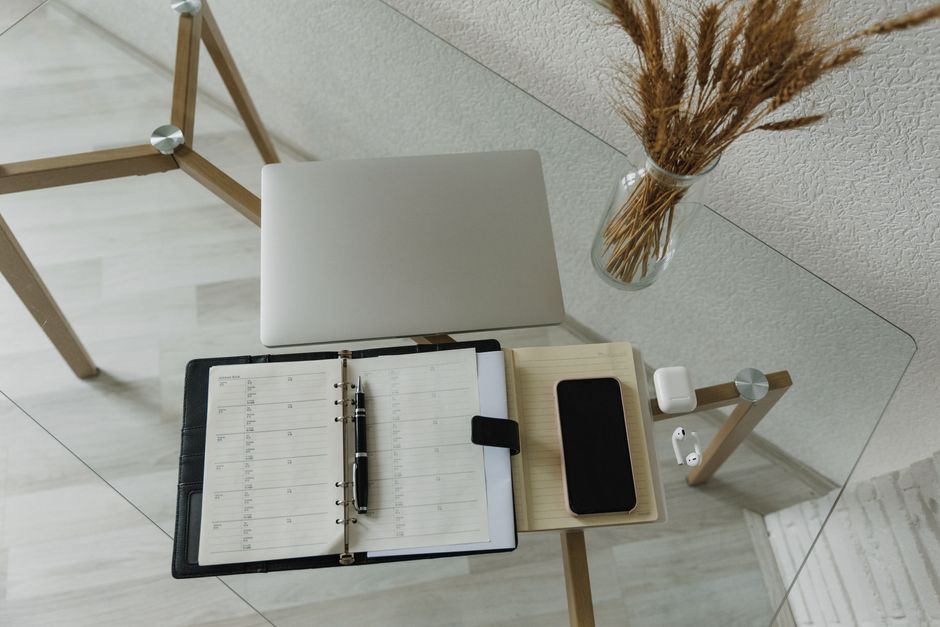
Navigating the Slips in Your Daily Reset Routine

It’s early morning, and the kitchen counter is cluttered with the remnants of last night’s dinner, a coffee mug half-filled with cold brew, and a phone buzzing with notifications. The remote worker stands there, briefly glancing at the closed planner resting on the table, a reminder of the tasks left unaddressed from yesterday. The intention is clear: a reset is needed after a late finish, but the urgency of the day ahead looms large. Keys are grabbed, but the thought of checking the weather before heading out slips away, overshadowed by the beckoning screen of the phone.
As the worker prepares to leave, a notification pings, pulling focus away from the small routine of packing a bag. The water glass is filled, and the phone is quickly checked, but the momentary distraction disrupts the flow. The simple act of laying out clothes the night before, a small adjustment that could ease the morning rush, remains unmade. Instead, the worker finds themselves rushing through the hallway drop zone, where bags and shoes clutter the floor, each item a reminder of the resetting that didn’t quite happen.
The Morning Routine in Motion
At the kitchen counter, the aroma of freshly brewed coffee fills the air as the worker pours the dark liquid into a favorite mug, a small ritual that signals the start of the day. The planner, however, remains closed on the table, its pages untouched, a missed opportunity to align the day’s tasks with the lingering fatigue from a late finish the night before. This moment, while comforting, is also a reminder of the need for a reset.
As the clock ticks closer to departure time, the routine begins to feel rushed. The worker glances toward the hallway drop zone, cluttered with bags and shoes, where the chaos of yesterday’s hurried exit still lingers. A quick check of the weather app on the phone is intended, but a notification pings, drawing attention away from the simple act of preparing for the day. Instead of laying out clothes the night before, which could have smoothed the morning's flow, the worker finds themselves scrambling for keys, the phone still in hand, the planner still closed.
With a final sip from the coffee mug, the worker takes a deep breath, ready to step into the day. Yet, the thought of checking the weather slips away again, overshadowed by the urgency of the moment. The small adjustments that could ease the morning rush remain unmade, leaving a lingering sense of friction as they navigate through the clutter of the drop zone, each item a reminder of the resetting that didn’t quite happen.
Where the Routine Begins to Slip
The morning light filters into the kitchen, illuminating a cluttered counter where a coffee mug sits next to a half-opened planner. The remote worker stands at the entry table, keys in hand, ready to embark on the day. However, as they reach for the keys, a phone notification buzzes insistently, pulling focus away from the simple act of grabbing essentials. Instead of a quick glance at the weather app, the worker finds themselves scrolling through messages, the planner still closed and untouched.
In the hallway drop zone, bags are strewn about, shoes haphazardly tossed, creating a maze that complicates the morning routine. The worker scans the chaos, their eyes darting from the water glass to the coffee mug, but the urgency of the notification has derailed the intended reset. The small habit of laying out clothes the night before could have streamlined the morning, yet here they are, scrambling to locate the missing shoe as time ticks away. The planner, which could have provided clarity for the day ahead, remains a silent witness to the disarray.
As the worker finally manages to locate their shoes, the thought of checking the weather slips further from their mind, overshadowed by the immediate need to leave. Each moment spent distracted by the phone adds to the friction, making the reset feel like a distant goal rather than an achievable task. The simple act of preparing for the day becomes a race against time, where the small adjustments that could ease the morning rush remain unmade, leaving a lingering sense of chaos as they step out into the world.
This same friction shows up again in Daily Routines Real Life, especially when the day tightens unexpectedly.
What Gets Missed When the Phone Takes Over?
The phone buzzes on the kitchen counter, a bright notification demanding attention just as the remote worker begins their morning routine. Instead of checking the weather, which could inform the outfit choice for the day, they find themselves scrolling through messages, losing precious minutes. The intended reset, a moment to gather thoughts and prepare for the day ahead, slips away as the screen lights up with distractions.
Without a pre-planned checklist, confusion sets in. The clothes that should have been laid out the night before are still crumpled in the drawer, and the coffee mug sits empty, waiting to be filled. As they scramble to find the right shoes, the planner remains closed on the table, a missed opportunity for clarity. This lack of preparation leads to a frantic search for essentials, resulting in the realization that the water glass was left behind, a small detail that could have been easily checked. With each moment spent distracted, the good intentions of resetting after a late finish feel increasingly out of reach, overshadowed by the chaos of the morning.
Ultimately, the tradeoff becomes clear: the urgency of the phone notification derails the thoughtful planning that could have streamlined their exit. Instead of a smooth transition into the day, the worker faces a rushed departure, where the small adjustments that could ease the morning rush remain unmade. As they step out the door, the lingering sense of disorder serves as a reminder that good intentions alone are not enough to ensure a successful reset.
A Simple Adjustment to Change the Sequence
After a late finish, the morning can feel like a race against time, especially for a remote worker trying to reset. The planner sits closed on the kitchen counter, a missed opportunity to outline the day’s tasks. With a quick glance at the clock, the urgency of the morning routine becomes palpable. A simple adjustment could ease this friction: moving the planner check to the night before. By taking just five minutes to review the next day’s agenda, clarity emerges, allowing for a smoother start.
Additionally, setting a specific time to check the weather before bed can significantly reduce decision fatigue in the morning. Instead of scrambling to find the phone while still half-asleep, a quick look out the window or a glance at a weather app on the tablet can inform outfit choices. This small sequence change, where the weather check is done alongside the planner review, streamlines the morning process. As the remote worker lays out clothes the night before, they can eliminate the stress of uncertainty, avoiding the frantic search for the right jacket or shoes.
However, the phone notification that pings from the other room can easily derail these intentions. It’s a reminder of how quickly good plans can fall apart. As they step into the hallway drop zone, keys in hand, the lingering thought of what could have been—an organized morning—serves as a stark reminder that without these adjustments, resetting after a late night remains a challenge.
The Impact of Adjustments on the Next Steps
If this pattern keeps repeating, Everyday Life In The extends the idea without leaving the niche.
With the planner opened on the kitchen counter the night before, the remote worker feels a subtle shift in their readiness for the day ahead. Instead of facing a jumble of tasks upon waking, they can glance at the neatly laid-out agenda and prioritize their first actions. This small act of preparation not only saves precious time but also reduces the mental clutter that often leads to distractions.
As morning light filters through the window, the routine begins to flow more smoothly. The coffee mug sits waiting, filled and ready to fuel the day. With the clothes already chosen and set out on the bedroom dresser, the worker avoids the usual frantic search for matching shoes. This simple adjustment means they can focus on the essentials, like checking the weather on their phone before heading out. The quick swipe to the weather app reveals a chilly morning, prompting a last-minute grab for a warm jacket. Without this check, they might have left the house unprepared, only to face an uncomfortable commute.
However, the ever-present risk of distraction looms. A phone notification buzzes from the other room, pulling their attention away from the organized flow. It’s a reminder of how easily intentions can be derailed. As they step into the hallway drop zone, keys in hand, the contrast between the planned morning and the potential chaos becomes stark. The lingering thought of what could have been—a seamless start to the day—highlights that even small adjustments can create significant impacts, but they require consistent effort to maintain focus amidst the distractions of everyday life.
As the remote worker stands in the entryway, coffee mug in one hand and keys in the other, the weight of the day ahead feels palpable. The planner, still closed on the kitchen counter, serves as a reminder of the intentions left unfulfilled. A quick glance at the weather app is essential, but the phone buzzes with a notification, pulling focus away from the task at hand. This moment illustrates the friction that can derail even the simplest of resets. The planned morning routine, which could have set a positive tone for the day, now teeters on the edge of chaos.
To combat this, placing the phone in a designated spot—perhaps on the dresser—before heading to bed can help minimize distractions in the morning. This small adjustment could ensure that checking the weather becomes a seamless part of the routine, rather than a forgotten step. The challenge remains: how to maintain this consistency amidst the noise of daily life. With the right setup, a smoother reset is within reach, but it requires diligence to keep distractions at bay.