Resetting After Bad Days
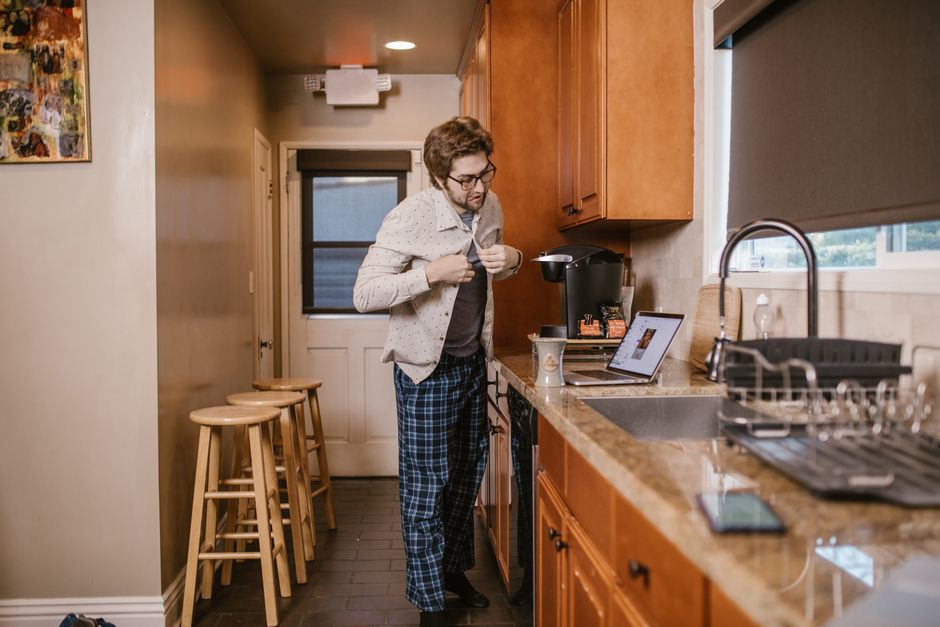
As the clock ticks toward 8:00 AM, the kitchen counter is cluttered with the remnants of a rushed breakfast. A coffee mug sits half-full, while my phone buzzes with reminders for the day ahead. I’m already late for school pickup, and the usual routine feels like a series of missed checks. Keys are in hand, but I glance at the hallway drop zone and realize the umbrella, left behind from last night’s rain, hasn’t been moved to the door. It’s a small detail, yet skipping this step could mean a soggy afternoon.
In the chaos of the morning, I find myself skipping the weather check, a habit that usually anchors my exit strategy. Instead of checking the forecast on my phone, I’m focused on gathering the essentials: water glass, lunch bags, and my child’s favorite toy. The result is a scramble to leave the house, where I’m left unprepared for the rain that’s now pouring down. This sequence of actions, or lack thereof, sets the tone for the rest of the day, leaving me to wonder how to reset effectively after such a messy start.
The First Step That Gets Skipped
Standing at the kitchen counter, I clutch my coffee mug while my phone buzzes incessantly with notifications. It’s a late-start weekday morning, and I’m already feeling the weight of the day ahead. As I prepare to pack the bag for my child, I notice the clutter on the counter—lunch bags, a water glass, and a forgotten toy. Yet, the evening routine from the night before hasn’t fully translated into a smooth morning transition.
In the rush, I grab the lunch bags but skip the critical weather check that usually anchors my exit. Instead, I focus on the essentials, stuffing a snack into the bag and making sure the water bottle is filled. The umbrella, still sitting in the hallway drop zone from last night, goes unnoticed. This oversight, a small but significant detail, sets the stage for a chaotic afternoon. Without checking the forecast, I leave the house unprepared for the rain that’s now coming down hard.
Before leaving the room, I remind myself to check the weather app on my phone. But as I juggle the coffee mug and keys, I forget to do it. The sequence feels rushed, and I can’t help but think about how this small slip could lead to a soggy evening. The umbrella, which should have been moved to the door, remains behind, and I’m left hoping that the rain will ease up before I need to pick up my child. The breakdown in this morning routine highlights how one missed step can ripple through the day, complicating what should be a simple evening reset.
A Better Order for the Same Five Minutes
The kitchen counter is a jumble of yesterday’s lunch containers and the coffee maker, still warm from brewing. As I grab my bag, I notice the water bottle is empty, and I quickly fill it, but the clock is ticking. Instead of checking the weather on my phone first, I decide to pack the bag first. I toss in snacks and my child’s favorite book, but I also make it a point to grab the umbrella from the hallway drop zone. This small shift in sequence feels significant; I’m not just rushing out the door.
With the bag ready, I finally check the weather app on my phone. The forecast shows a sudden downpour expected just before pickup time. Had I checked earlier, I might have left the umbrella behind again, leading to a soggy scramble later. Now, with the umbrella in hand, I can breathe a little easier knowing I’m prepared. This simple adjustment in my morning routine—packing the bag before checking the weather—creates a smoother transition into the evening. I can focus on what needs to be done later instead of worrying about getting drenched while waiting for my child. It’s a small victory in the chaos of a late-start weekday morning. What to Check Before the Phone Takes Over As I navigate the chaos of a late-start weekday morning, I find myself at the entry table, surrounded by the usual morning clutter. My phone buzzes with notifications, pulling my attention away from the essential tasks at hand. Before I let it take over, I need to ensure that a few key items are ready to go. I glance around, noting the umbrella still resting in the hallway drop zone, keys scattered on the kitchen counter, and my child’s water bottle empty on the dresser.
- Umbrella positioned by the door
- Keys in their designated spot
- Water bottle filled and ready
Checking these items before I leave the house is crucial. If I skip this step and get distracted by my phone, I risk a last-minute scramble. For instance, last week, I forgot to fill the water bottle, which led to a meltdown during pickup when my child was thirsty. This time, I make it a point to grab the umbrella and place it next to my keys. I fill the water bottle and set it next to the door as well. This simple sequence shift—prioritizing these checks before diving into my phone—helps me avoid unnecessary chaos later. I can leave the house with confidence, knowing I’ve set up a smoother transition into the evening ahead. Adjusting the Sequence: Packing Before Notifications In the early morning rush, I often find myself distracted by notifications on my phone, which leads to a chaotic start. This week, I decided to shift my focus by prioritizing packing my bag before diving into my notifications. The moment I place my child’s water bottle in the bag, I feel a sense of calm wash over me. Knowing that the essentials are ready allows me to approach the rest of the morning with more focus.
The kitchen counter becomes my staging area. I set the bag down, fill the water bottle, and check the umbrella, which I’ve finally moved next to the door. This sequence change—packing first—means I can avoid the last-minute scramble that often occurs when I forget to check the weather. Last week, I left without the umbrella, and we ended up drenched during pickup. By making this small adjustment, I can confidently navigate the evening tasks ahead, from homework to dinner, without the nagging worry of forgetting something crucial.
As I grab my keys, I make it a point to check the weather app on my phone. This quick glance, done after packing, prevents another oversight. I realize that if I continue to prioritize packing first, my evenings will flow more smoothly. The simple act of preparing my bag before engaging with my phone sets the tone for a more organized and less rushed day.
A slightly different version of this problem appears in Daily Routines Real Life, where the sequence changes but the hidden drag feels familiar.
What Gets Easier in the Next Time Block
This same friction shows up again in Everyday Life In The, especially when the day tightens unexpectedly.
The hallway drop zone is where I often find myself racing against the clock. This morning, as I juggle my coffee mug in one hand and my phone in the other, I realize I can streamline my routine. Instead of grabbing my phone first to check messages, I decide to focus on packing the bag. I place my keys on the kitchen counter, fill my water glass, and check the umbrella, which I’ve finally moved to the door. This small shift in sequence allows me to avoid the usual last-minute panic.
Once my bag is packed, I take a moment to check the weather app on my phone. I’m relieved to see clear skies ahead, which means I can leave the umbrella behind. This simple action not only saves me from carrying unnecessary weight but also clears my mind for the evening ahead. With the bag ready and the weather checked, I feel a subtle shift in my energy. I can now approach pickup and dinner without the nagging worry of forgetting something crucial. Prioritizing packing first has made my mornings less chaotic and my evenings more manageable.
Evening routines can often feel like a race against time, especially after a hectic day. By shifting my focus to packing the bag first, I’ve noticed a significant reduction in the chaos that usually accompanies the end of the day. With my keys placed on the kitchen counter and my water glass filled, the act of checking the umbrella before leaving the house has become a non-negotiable step. This simple check not only ensures I’m prepared for unexpected weather but also sets a more structured tone for the evening ahead.
As I stand in the hallway drop zone, I realize that these small adjustments create a ripple effect, making the evening feel less daunting. The next time I prepare to leave, I’ll remind myself to check the weather app before heading out, ensuring I’m equipped for whatever the evening brings. This small but crucial habit can transform how I approach the rest of my day, allowing me to reset more effectively after a messy weekday.


